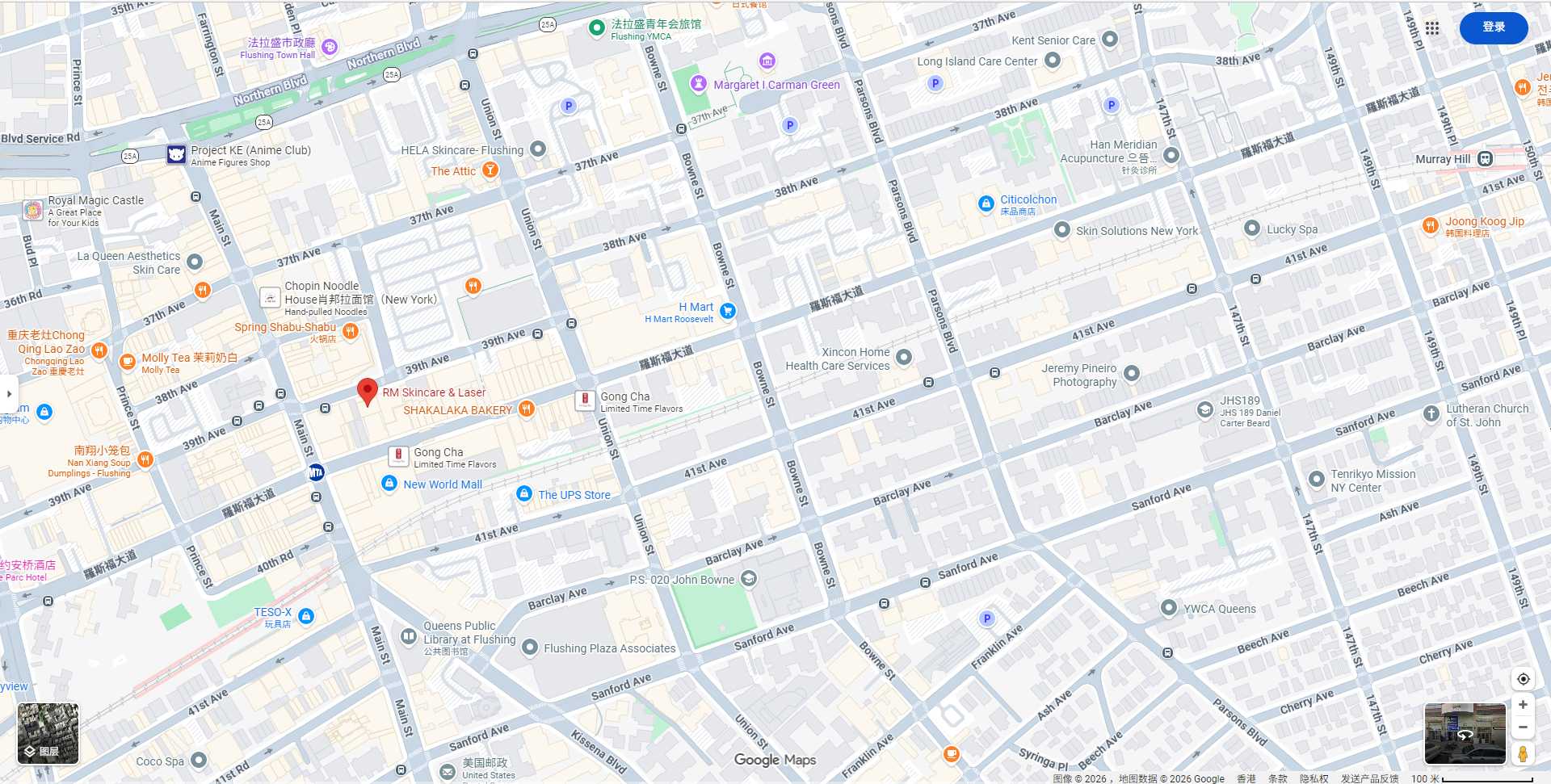
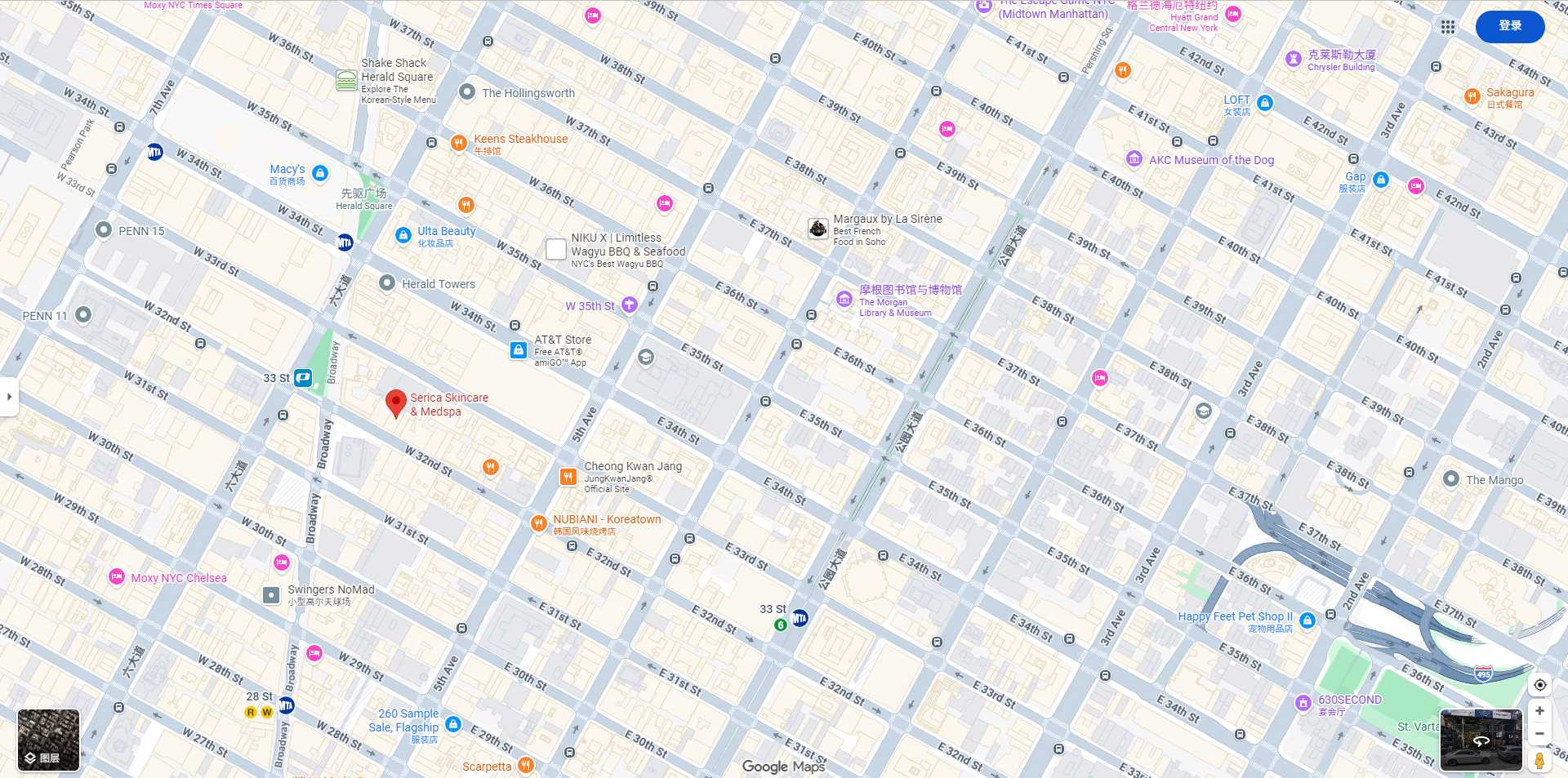
In New York, the way people choose medical beauty institutions is changing. In the past, people were used to searching for the 'best results', but now more and more people will ask: 'Who is willing to take the time to explain to me before doing it?' Behind this shift is the evolution of medical beauty consumption from impulsive to decision-making. Serica, as a local medical beauty institution in New York, happens to be at this turning point—emphasizing not the immediate dramatic effect, but focusing on 'how to make the change look like it belongs to you'.
Real Concerns of New York Medical Beauty Consumers
From industry observations, people who step into a medical beauty clinic for the first time often have three things on their minds: fear of looking unnatural, fear of pain, and fear of future troubles. These concerns are not groundless. Overfilled cases circulating on social platforms, conflicting solution suggestions between institutions, all make cautious consumers more hesitant.
Serica's consultation process is designed to address these concerns. During the facial consultation, the physician will not directly recommend procedures, but will first answer three questions: What facial feature are you currently most concerned about? What skincare or maintenance methods have you tried in the past? How do you expect others to describe your changes after treatment? The questions themselves have no standard answers, but the client's responses can help determine whether she needs volume supplementation, skin texture improvement, or both. Many people only realize clearly for the first time at this stage that they don't actually need to 'change their appearance', they just want to look less tired.
Distinguishing the Boundary between 'Treatment' and 'Maintenance'
There is a gray area in the medical beauty industry: some projects are essentially treatments but are packaged as daily maintenance; some are long-term maintenance but are implied as one-time solutions. Serica will clearly define this boundary during the client's initial contact.
Take fine lines and pore issues as an example. If it involves abnormal keratin metabolism or imbalance in sebum secretion, medical skincare combined with chemical peels is sufficient for improvement; but if it involves a decrease in collagen support in the dermis, energy devices need to be involved. The former can be done as needed, while the latter requires planning intervals. Institutions will not blur the essential difference between these two needs just to facilitate a one-time consumption. What clients take away when they leave is not just a plan, but also a timetable about 'when changes can be seen, how long they can be maintained, and when reassessment is needed'.
Injectable Aesthetics: Structural Thinking Replaces Filling Thinking
The biggest conceptual progress in injectable aesthetics in recent years is the shift from 'filling where it lacks' to 'overall structural adjustment'. Facial aging is never just a problem of single depression, but a comprehensive manifestation of tissue support shift and soft tissue compliance change. Serica's injection physicians will spend a considerable amount of time marking before the operation—not just drawing a few lines as a gesture, but evaluating volume distribution, dynamic traction response, and whether the transition between adjacent areas is abrupt.
Another benefit of this structural thinking is to avoid overcorrection. Proper volume supplementation should allow the face to have light and dark transitions under natural light, and the muscles should still move smoothly when smiling. Many clients mention a feedback during the one-week follow-up visit after the procedure: 'Friends say I look better recently, no one guessed what I did.' For Serica, this is a more worthy evaluation to record than 'amazing results'.
Skin Management: From 'Doing Projects' to 'Living Life'
In New York, the pace of life is fast, and the cost of time is high. Serica observed that clients who can truly adhere to regular skin management are often not those who treat medical beauty as a special task, but those who incorporate it into their daily life framework. The frequency of their visits to the clinic is no different from going for a haircut every three weeks or a monthly massage.
The cultivation of this habit requires a low psychological threshold. Institutions do not set rigid membership cards, nor do they deliberately create a sense of urgency. If the three basic tasks of cleansing, moisturizing, and sun protection are done well, the intervals for light and energy treatments can be extended to six months or longer; conversely, if basic maintenance is not kept up, even more frequent treatments will not build a stable skin texture. During regular follow-up visits, physicians will spend more time understanding recent changes in the client's skincare habits, rather than urging the next appointment.
Rational Reference for Medical Beauty
The maturity of the New York medical beauty market is reflected in the change in consumer awareness of 'reference points'. In the past, people were used to benchmarking celebrities or social media influencers, but now more people are willing to use their best state at a certain stage as a reference—such as the skin texture five years ago, or the facial contour three years ago. This reference point is more honest and achievable.
Serica encourages this self-reference in plan discussions. Everyone will experience physiological changes as they age, and the role of medical beauty is not to reverse time, but to slow down the accelerated decline of certain features. The forehead is no longer as full, the jawline is no longer a straight line, these are part of the natural process. What institutions can do is make this process smoother, rather than create a sense of discordance with age.
Conclusion
In New York, Serica is not the loudest voice in the medical beauty industry, but the one willing to lower its voice and listen to clients until they finish speaking. The value of the medical beauty industry does not lie in inventing new terms, but in helping people establish a more peaceful relationship with their appearance. This relationship does not need to rely on extreme standards, nor does it need constant confirmation. It just exists, like a regularly pruned plant, stable, clean, and in line with the seasons.