Whether you are new to New York or have been living in New York for a long time, many people will start paying attention to medical beauty. It's not because of appearance anxiety, but the high pressure, fast pace, and seasonal differences make the skin prone to problems. In such a city with extremely rich choices, the more chaotic the information, the more you need to clarify your thoughts.
People often ask right away: "Which is better, Thermage or Ultherapy?" In fact, this question is a bit like asking which is more useful between a coat and a raincoat—it depends on your current skin condition and core needs. A more reliable process is not to directly choose equipment, but to first understand the basic situation of the skin.
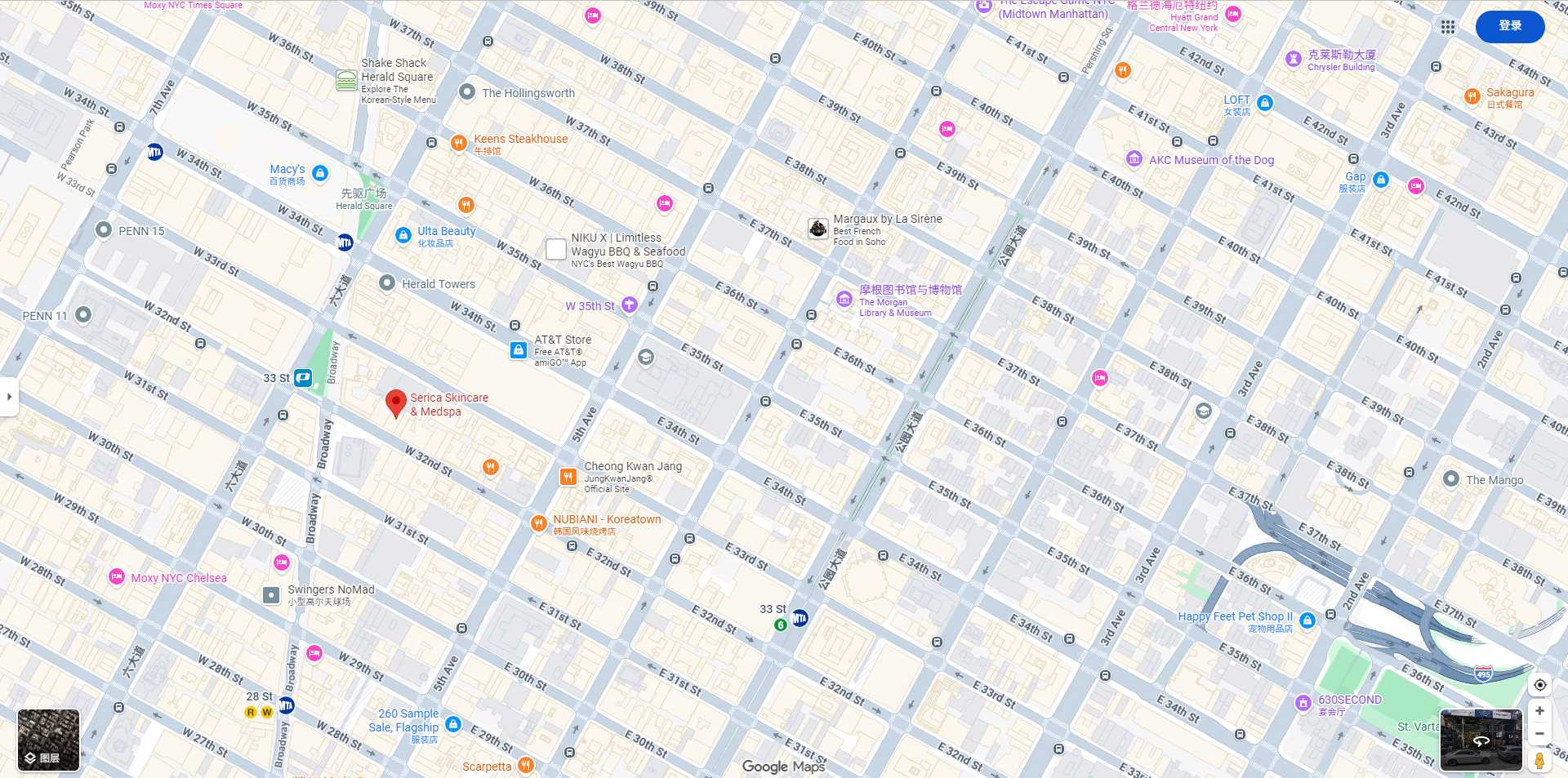
In New York, institutions that focus on personalized solutions, such as Serica, generally arrange skin tests during the initial consultation. Through instrument analysis of data such as moisture content of the stratum corneum, pigment distribution, collagen density, combined with your usual routines, skincare habits, and concerns, slowly piece together a complete skin portrait. These data themselves do not lie and can help you avoid the blind "do what others do".
Currently, the more mainstream non-surgical projects in New York can be roughly divided into photovoltaic and injection categories. In photovoltaics, Thermage uses radiofrequency energy to heat the dermis, stimulate collagen regeneration, which is very helpful for overall firming, improving sagging and enlarged pores. Ultherapy penetrates deep into the SMAS fascia layer, with a more noticeable lifting effect, especially suitable for cases where the jawline begins to blur, and the brow and eye positions slightly shift downwards. The two are not mutually exclusive, and some people will match them in stages according to different needs for firming and lifting.
In terms of pigmentation and skin texture management, the popularity of picosecond lasers in New York is very high. It has good improvement for sunspots, shallow acne scars, and uneven skin tone, with a relatively short recovery period. However, New York has strong sunlight in summer, and if there is a lapse in sun protection after the procedure, the risk of darkening will increase sharply. This is why responsible institutions will provide specific sun protection and moisturizing plans after treatment, instead of letting you casually apply sunscreen on your own.
In the injection category, botulinum toxin is used to relieve dynamic wrinkles, such as glabellar lines and crow's feet; hyaluronic acid is more responsible for filling, such as nasolabial folds, tear troughs, or lip shaping. The overall aesthetics in New York have clearly leaned towards "natural enhancement"—after the procedure, people look refreshed but still retain their original expression and contours. This requires the operator to have very precise control over dosage and layers, knowing when to stop.
Many people who hesitate about medical beauty are worried about nothing more than the "mask-like" or "stiff" feeling. Half of this is related to dosage and injection sites, and half is related to the operator's aesthetic experience. So during consultations, pay attention to whether the other party is willing to explain the recovery process in detail, possible temporary reactions, and clearly inform you of inappropriate situations. For example, if the skin is in a sensitive outbreak period or if there are plans for sun exposure in the near future, a serious institution will directly advise you to postpone.
In terms of pricing, there is a wide disparity in market pricing in New York. For the same legitimate equipment, the charging standards of different institutions involve factors such as operation duration, whether consumables are single-use, and whether there is a complete postoperative follow-up. Don't be simply attracted by low prices, and be wary of excessive packaging markups. A more prudent approach is to look at the transparency of the institution's qualifications. For example, brands like Serica that display equipment certification and original factory training records provide a practical guarantee for seekers of beauty.
Another point that is often overlooked: skin maintenance is a long-term task. No matter how good the project is, if your lifestyle does not cooperate, the effects will be discounted. The daily stress, lack of sleep, and high-sugar diet in New York are all drivers of collagen loss. Even if you regularly do projects, basic daily moisturizing, sun protection, and regular routines are still key to maintaining the effects.
In the end, doing medical beauty in New York is more like targeted skin management rather than a complete transformation. Understand your own skin first, then consult with questions in hand, which is much more reliable than blindly chasing trends. Choosing institutions that value communication, are willing to explain principles and risks clearly, will make the whole process much easier. I hope the above summary will make your journey in New York's medical beauty more solid and clear.