New York is fast-paced in everything, but skin renewal and collagen remodeling have their own rhythms. Many people tend to have the expectation of 'solving all problems at once' when they first encounter medical beauty, hoping that completing a certain project will simultaneously address sagging, dullness, and fine lines. This mood is understandable, but objectively speaking, the physiological rhythm of the skin does not support this quick-fix logic.
In the aesthetic trend towards naturalness in the New York market, an unspoken understanding has gradually formed between experienced institutions and seekers of beauty: good changes often progress in layers and stages. This is not to make people consume more, but because different levels of tissue require different stimulation methods and intervals. If several projects with different depths of action are forcibly squeezed together, not only will the recovery period be more difficult to endure, but the skin may also experience unnecessary disruptions due to overlapping reactions.
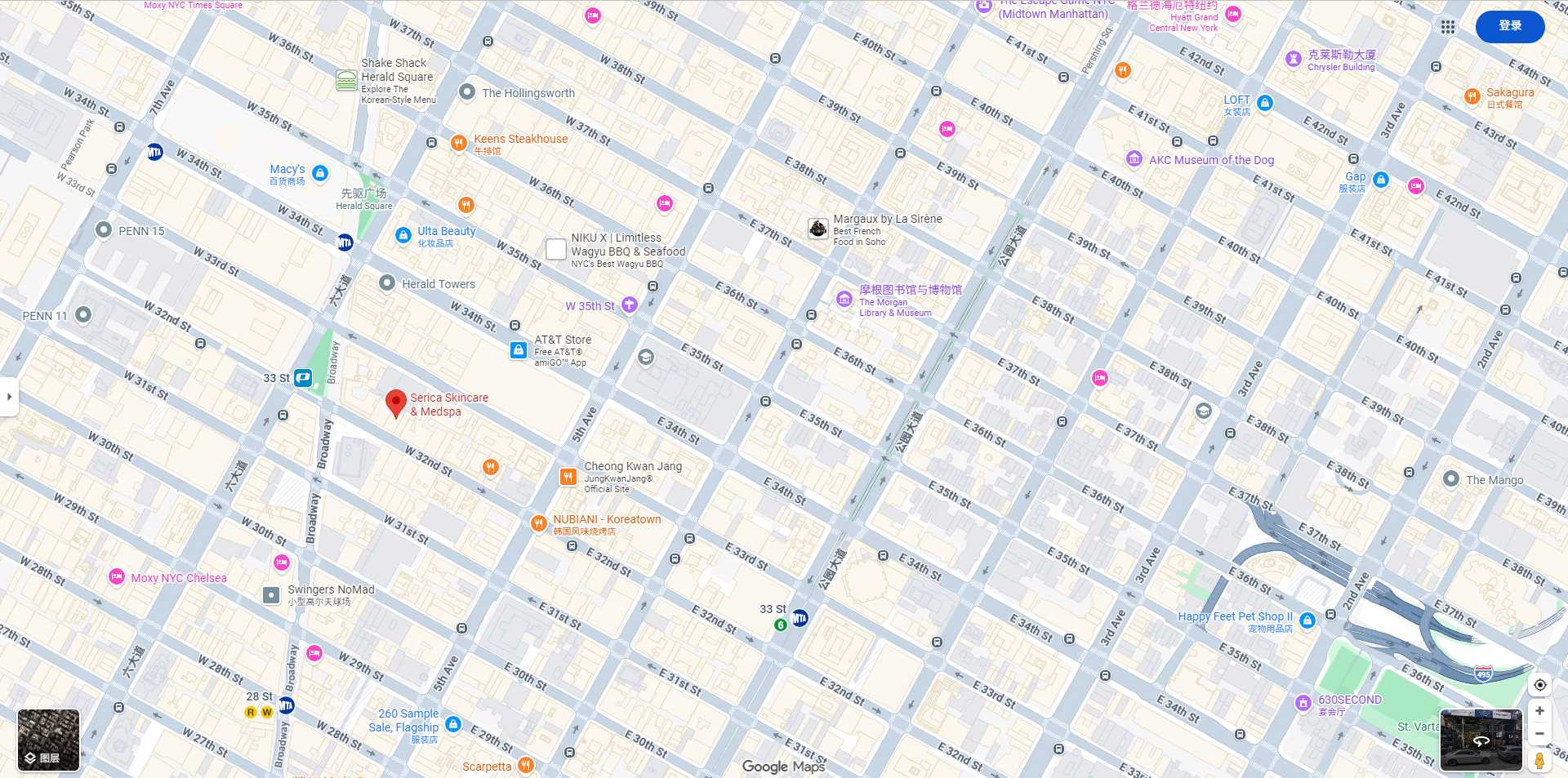
The first step in staged planning usually involves establishing the basic stability of the skin. If the barrier itself is fragile, prone to redness, dryness, or closed comedones, going straight to high-energy projects is like building a building on an unstable foundation. Therefore, responsible institutions, such as Serica, often do not immediately recommend the most expensive equipment, but first assess the skin's water-oil balance and sensitivity based on skin test data. If the skin is in an unstable period, they may suggest starting with some gentle conditioning projects or home products for adjustment for four to six weeks to restore the stratum corneum and microecology to a relatively healthy state.
Once the foundation is laid, the focus of the second stage is usually on optimizing superficial texture and skin tone. This stage is suitable for using low-energy picosecond scanning, photorejuvenation, or gentle non-ablative fractional lasers. The goal is to improve surface spots, dullness, and early enlarged pores to a visible degree without burdening the skin too much. The effects of this stage are usually not very 'dramatic,' but people around you may notice a significant improvement in your complexion without being able to pinpoint exactly what has changed. This is the kind of 'subtle improvement' that is highly valued in New York aesthetics.
After stabilizing superficial texture, the third stage will address deeper firming and lifting. Projects like Thermage or Ultherapy act on the dermis and fascia layers, requiring the skin to have sufficient tolerance and reserve for repair. If the first two stages have established a good skin condition, when receiving deep stimulation, collagen regeneration efficiency will be higher, postoperative reactions will be more controllable. Moreover, at this point, seekers of beauty have a basic understanding of the rhythm of their skin reactions and are less likely to be anxious due to some normal postoperative reactions.
Injectable projects can also be included in this staged framework. There is no need for botulinum toxin and hyaluronic acid to be fully administered at the first time. For example, dealing with glabellar lines and crow's feet first, observing for one to two weeks, seeing the natural expression changes in the eyebrows, and then deciding whether to adjust the dosage in the forehead area. This is especially true for hyaluronic acid fillers; for areas like tear troughs and nasolabial folds, incremental supplementation often looks more vivid than filling all at once. Facial dynamic balance requires time for observation, leaving a window for observation allows you to always have control over the direction of adjustments.
When planning an annual schedule in New York, seasons and life stages are also important reference points. Autumn with lower temperatures and reduced ultraviolet rays is suitable for projects with slightly longer recovery periods or strict sun protection requirements. In spring, many people prepare for summer social events, making gentle light and electric maintenance and minimal botulinum toxin adjustments popular. By spreading projects across these stages, you can seamlessly integrate them into your life, ensuring clear maintenance goals for the skin at each stage, so that you don't suddenly need to do everything in a certain month and run out of time for recovery.
There is another underestimated factor: psychological rhythm. Doing too many projects at once often comes with higher expectations and greater pressure, where any slight fluctuations during the recovery period can be magnified. On the other hand, progressing in stages with clear goals each time makes the effects easier to perceive and digest. This 'steady progress' mindset can make the whole process more relaxed and easier to sustain.
Clinics like Serica in New York with systematic management processes typically provide an overall observation framework during the initial consultation, rather than focusing on a single treatment. They may suggest completing certain combinations in three to six months, interspersed with skin testing and status assessments. The advantage of this model is that it keeps seekers of beauty clear about which step they are at, when to take the next step, rather than being led by sales pitches.
In the end, the condition of the skin accumulates day by day, and improvement follows the same pattern. New York doesn't give everyone much time, but the skin deserves to be treated patiently. Instead of chasing the latest equipment jargon, it's better to take the time to sort out your needs and find a professional partner willing to plan with you. Step by step, every change is solid, and the final result will be more natural and longer-lasting than trying to force too much change all at once.